How Giant's Causeway Hexagons Formed - Easy Geology Guide
Understand the science behind Giant's Causeway's famous hexagonal columns with plain-language geology and visual cues.
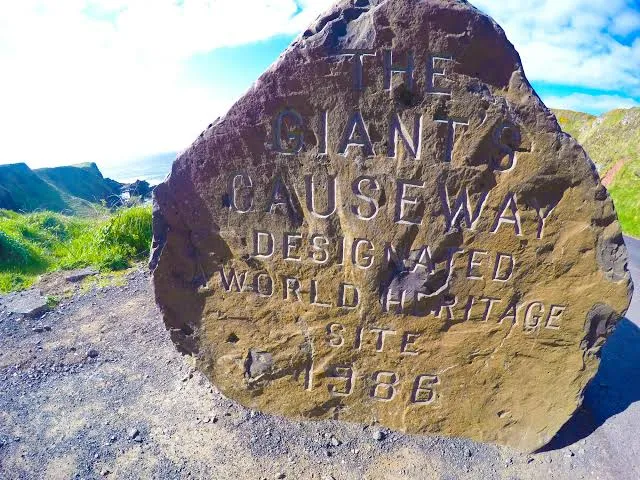
Think of the Causeway as a giant cooling puzzle. Lava spread, cooled, and cracked into the most efficient repeating shapes available.
The short science
- Basalt lava erupts and settles.
- Cooling begins from top and bottom.
- Shrinkage creates tension.
- Tension releases as cracks.
- Cracks propagate into polygonal columns.
Why many are hexagons
Hexagons tile space efficiently with balanced edge stress — similar to soap bubbles and honeycomb logic.
Spot these clues on site
- Vertical joints on column sides
- Slightly uneven polygon counts (not all perfect sixes)
- Step-like breaks where columns fractured later
Tiny glossary
- Basalt: Dark volcanic rock.
- Columnar jointing: Pattern of shrinkage cracks forming columns.
- Polygon: Shape with many sides.
Science doesn't erase wonder; it often deepens it.
A deeper geological imagination
Stand beside a column and picture timescales beyond travel itineraries. What feels static was once fluid, incandescent, and in motion. Cooling transformed that energy into form, and erosion keeps editing the result.
Notice imperfections: uneven edges, broken tops, variable polygon sides. These are not flaws in the landscape; they are clues in the record. The more closely you look, the more the stone reads like a process, not an object.
عن الكاتب

Belfast Coast Travel Desk
كُتب هذا الدليل للمسافرين الذين يريدون أكثر من زيارة سريعة على طريقة القوائم؛ لمن يستمتعون بفهم المكان: كيف يعمل، ولماذا هو مميز، وكيف يمكن عيشه باحترام. جسر العمالقة يكافئ هذا الأسلوب تحديدًا: تعال بفضول، امنح نفسك وقتًا، ودع الساحل يكشف نفسه خطوة بعد خطوة.
Tags
Comments (0)
Loading comments...